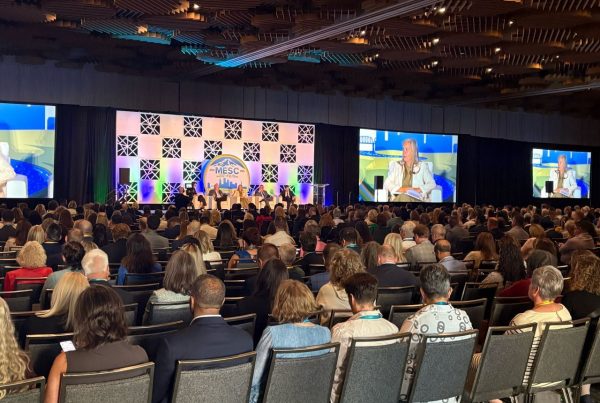
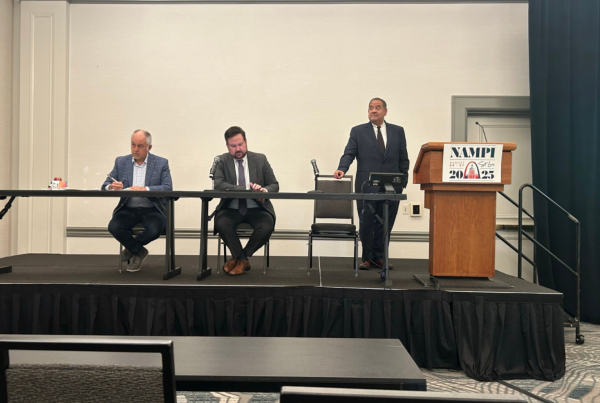
At CITIZ3N, we believe that when public agencies are equipped with thoughtful strategies, cross-sector partnerships, and human-centered tools, they can deliver care that is more equitable, effective, and rooted in the real needs of communities. That belief was reaffirmed for me this week at the 2025 South Carolina State of Reform Health Policy Conference, held in Charleston at the Gaillard Center.
The event brought together policymakers, health system leaders, and civic innovators to tackle the complex work of healthcare transformation head-on. It was a packed day of forward-thinking dialogue, and left feeling both grounded in the current policy landscape and energized about where we can go from here.
Social Determinants, Structural Gaps & Human-Centered Redesign
A key theme throughout the day was the need to address health-related social needs as core to the healthcare mission—not as an afterthought. Whether the focus was maternal health, chronic disease, or behavioral care, speakers emphasized that outcomes improve when we take a whole-person approach that includes housing, food, transportation, and access.
This reflects a shift that’s also central to our work at CITIZ3N: moving from siloed service delivery to integrated, responsive ecosystems. The more we understand the interconnected barriers people face, the better we can support agencies in designing programs that truly meet communities where they are.
Modernization Through Technology—With Guardrails
AI and new technologies in health, where panelists explored how innovation can be harnessed to modernize systems—without widening existing equity gaps. From smart analytics to AI-assisted triage, the potential for digital transformation is massive.
But what resonated most was the call for intentionality and design discipline. It’s not enough to deploy tools—we have to understand how they impact the real experience of real people. At CITIZ3N, we think a lot about designing for digital equity: ensuring that tech is usable, accessible, and serves the broader human goals of dignity and clarity in public service.
The State of Maternal Health & Workforce Challenges
Sessions on maternal health outcomes and South Carolina’s healthcare workforce surfaced persistent challenges—particularly in rural and underserved areas. Speakers discussed policy levers to improve prenatal care, expand provider networks, and grow the healthcare workforce pipeline.
These issues are not isolated. They reflect larger systemic strains—capacity, access, retention—that demand cross-agency coordination and long-term investment. It was encouraging to see these challenges addressed head-on with both urgency and empathy.
Substance Use, Federal Policy, and Legislative Vision
The opioid crisis remains a major public health focus across the state. A session on substance use prevention and recovery emphasized the importance of wraparound services, data-sharing, and collaborative models—strategies CITIZ3N actively supports in other states.
Later in the day, state legislators offered their take on upcoming federal policy changes, Medicaid trends, and long-term planning. The consistent message: South Carolina is building for the future—and they’re ready to be proactive.
Final Thoughts: Reform That Starts With Listening
What we appreciated most about this conference was the genuine commitment to inclusive, cross-sector dialogue. It wasn’t about pushing one solution. It was about understanding the nuances of reform—and staying rooted in the lived experiences of those affected by it.
At CITIZ3N, we aim to bring that same approach to our work every day. We left Charleston with new ideas, deeper connections, and a clearer vision for how we can continue to support states like South Carolina in delivering public systems that actually work—for everyone.