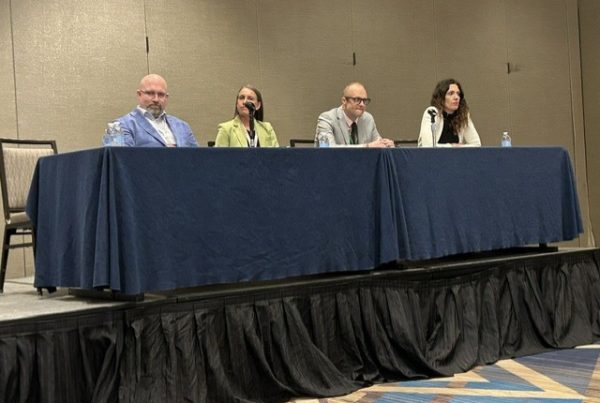
On April 17, 2025, CITIZ3N joined leaders, policymakers, and healthcare professionals in East Lansing for the 2025 Michigan State Health Reform Conference. This pivotal gathering occurred at a critical juncture in healthcare policy. Discussions spanned urgent topics—from dual-eligible populations to behavioral health and healthcare cost containment—but one session in particular resonated with CITIZ3N’s mission to bridge public programs with public trust.
A Closer Look: The Evolving Federal Landscape and Its Impact on Michigan Healthcare
A standout session, “How Does the Evolving Federal Landscape Impact Michigan Healthcare?”, featured Dominick Pallone, Executive Director of the Michigan Association of Health Plans, and Brian Peters, CEO of the Michigan Health & Hospital Association. Together, they shed light on emerging threats to Medicaid and the state’s provider safety net, drawing attention to policy shifts that could cascade through Michigan’s healthcare infrastructure.
While no formal federal proposals to cut Medicaid funding are currently on the table, both speakers emphasized that active conversations are underway—and even a modest funding reduction could trigger serious consequences. Specifically, the session highlighted:
- Provider Tax Programs at Risk: Administrative and programmatic changes could undermine the fiscal stability of Michigan’s Medicaid system. Eliminating or reducing these mechanisms might narrow access to healthcare—not only for Medicaid recipients but for rural hospitals that depend heavily on these funds.
- Ripple Effects on the Marketplace: As Medicaid tightens, employer-sponsored and individual health coverage costs could rise, burdening Michiganders across income brackets. The strain wouldn’t be isolated—it would likely push large hospital systems into difficult budget reallocations, further stressing emergency departments and frontline services.
- Concerns Around the 340B Drug Pricing Program: The potential rollback of the 340B program—a crucial tool for hospitals serving low-income communities—was also flagged as a major concern. Losing this support could deepen inequities in access to affordable prescriptions and outpatient care.
- Tariffs and the Healthcare Supply Chain: Supply chain disruptions caused by tariffs are being closely monitored by healthcare leaders. These hidden pressures could raise the cost and limit the availability of essential medical supplies, from syringes to surgical equipment.
Trust, Vaccines, and the Long Tail of COVID: Insights from the Keynote
The conference opened with a keynote from Dr. Natasha Bagdasarian, Chief Medical Executive for the State of Michigan, who addressed a sobering but essential theme: the erosion of public trust in healthcare and government.
She drew a throughline from the COVID-19 pandemic to today’s vaccine hesitancy, including the resurgence of measles—a direct consequence of disinformation and declining vaccination rates. Her message was clear: public trust is as critical to public health as policy and funding.
Broader Conversations: Social Determinants, Justice-Involved Care, and Mental Health
Beyond the marquee sessions, the conference explored a wide range of reform efforts shaping Michigan’s future:
- Expanding Access to Affordable Pharmaceuticals: New state-led strategies to reduce prescription drug costs garnered attention, particularly in light of rising prices and increasing out-of-pocket burdens.
- Care for Reentry Populations: Michigan is making notable strides in connecting formerly incarcerated individuals with healthcare coverage and care, recognizing this group’s unique challenges and public health implications.
- Health-Related Social Needs (HRSNs): The integration of in-service benefits to address housing, food security, and transportation was discussed as a foundational element of Michigan’s health equity strategy.
- Dual Eligible Managed Care Transition: Michigan’s restructuring of care for those eligible for both Medicaid and Medicare is set to impact care delivery, especially for elderly and disabled populations.
- Opioid Epidemic and Settlement Dollars: A forward-looking conversation unpacked how Michigan plans to leverage opioid settlement funds for prevention, treatment, and community-based recovery programs.
- Children’s Mental Health: As pediatric behavioral health concerns rise, the state is developing targeted programs to address this growing crisis, both in schools and clinical settings.
Why This Matters to CITIZ3N
At CITIZ3N, we believe that smart policy only succeeds when paired with strong communication. What we heard in East Lansing reinforces the urgency of our work—whether it’s supporting state-based marketplaces, helping agencies communicate complex changes, or lifting up the stories of those impacted by policy decisions.
Healthcare is at a crossroads in Michigan, and the decisions made in the coming months could have lasting consequences. We’re proud to stand alongside the leaders and organizations working to ensure those choices move us all toward better, more equitable care.