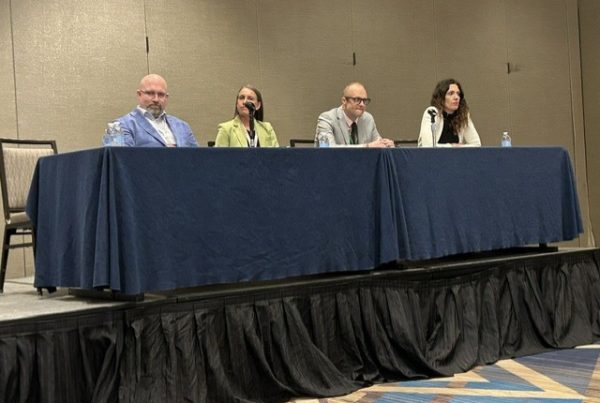
The Oregon State of Reform Conference, held on November 21, 2024, in Portland, provided a crucial platform for discussing the state’s efforts to address the healthcare coverage and treatment needs for justice-involved individuals. The session titled “Transforming Healthcare for Oregon’s Justice-Involved Population” featured a panel of experts dedicated to improving healthcare continuity and outcomes for this vulnerable group.
Panel Insights on Healthcare Disruption
Abigail Oswald, the moderator from the organization Unite Us, set the stage by highlighting the disruption in healthcare that justice-involved individuals face, losing access to critical benefits like Medicaid upon incarceration. Tina Gonzalez of Carelon Behavioral Health, brought her experience from Colorado to the table, emphasizing the need for robust infrastructure to support Medicaid applications and reintegration processes.
Addressing Continuity of Care with Innovative Waivers
Kim Hoover from the Oregon Health Authority, Reentry Health Care discussed the 1115 Demonstration Waiver for reentry, which Oregon plans to implement by January 1, 2026. This initiative aims to enroll individuals in Medicaid 90 days before release, ensuring a seamless transition back into community healthcare services.
Tim Svenson, Executive Director at the Oregon State Sheriffs’ Association, shared insights into the operational challenges of this process, including data sharing, HIPAA compliance, and providing comprehensive medical care in carceral settings, stressing the importance of continuity of care to prevent recidivism.
Culturally Competent Care
Taylor Dombek of Umpqua Health spoke about the IMPACTS grant program in Oregon, which aims to integrate care and improve transitions. He highlighted the effectiveness of culturally and linguistically appropriate services that are specifically designed to meet the diverse needs of justice-involved populations, enhancing engagement and health outcomes.
Collaborative Efforts for Comprehensive Care
The panel unanimously emphasized the necessity of stakeholder engagement, involving community-based organizations, healthcare providers, policymakers, and law enforcement to integrate services effectively. Such collaborations are crucial for overcoming the logistical and cultural barriers to care integration.
Conclusion: A Call for Continued Collaboration
The session concluded with a robust discussion on the need for improved data sharing protocols, enhanced training for providers on cultural competence and trauma-informed care, and the expansion of successful models like those discussed by Gonzalez of Carelon and Dombek of Umpqua.
CITIZ3N: Enhancing Agencies’ Ability to Support Justice-Involved Populations
CITIZ3N Government Solutions is at the forefront of integrating technology to support the healthcare needs of special populations in the Medicaid space. With our capability to pull and integrate data from downstream vendors’ incarceration databases, agencies can use our technology to ensure that transitions from incarceration to community care are more seamless
To learn more about how CITIZ3N can help your agency or organization, please contact Josh Schultz, Strategic Engagement Manager, at jschultz@citiz3n.com.